

Solutions
Built around the decisions, not the data
The same condition and degradation database serves three very different decisions: what to do on an operating plant this month, how to design the next one, and what to change in the factory.
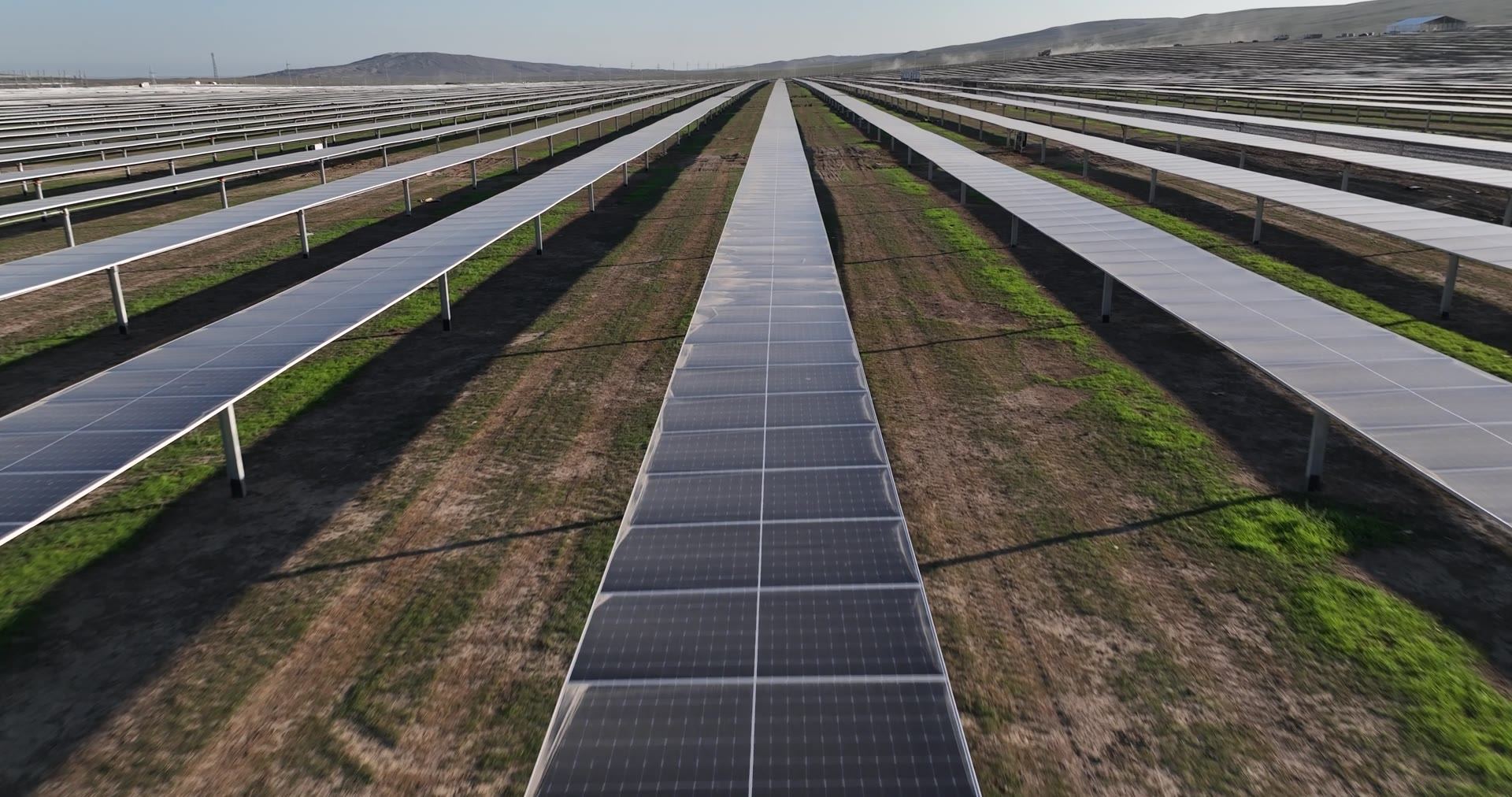
Operating plants
Prioritise work by what it recovers
Cleaning, reinspection, repairs and replacements are scheduled on recoverable energy, expected losses from failure and intervention cost. Before a human-reviewed work order is raised, the system records the predicted net benefit, timeframe and prediction interval for each option, including doing nothing yet.
- Event-triggered and scheduled screening with anomaly grading on site
- Weather-normalised, controlled comparisons between cleaning zones to confirm response
- Energy loss attributed at the metering resolution available, separating equipment, weather and curtailment
- Reassessment triggered by new sites, unrepresented materials or prediction drift
Decisions supportedClean · reinspect · repair · replace · defer

Planned plants
Rank design options by lifecycle cost, not just yield
Existing irradiance and shading simulations already tell you how orientation and tilt affect energy. Metrifield adds site-specific degradation, failure risk and maintenance cost, with their uncertainties, so design options can be compared on delivered energy and whole-of-life cost together.
- Orientation, tilt, row spacing, mounting height and module configuration ranked jointly
- Serviceability and maintenance access priced into the layout
- Material choice matched to hot, humid, saline or high-UV sites
- Design scenario models become operational twins once the plant is accepted
Decisions supportedLayout · tilt · row spacing · mounting height · module choice
Module manufacturers
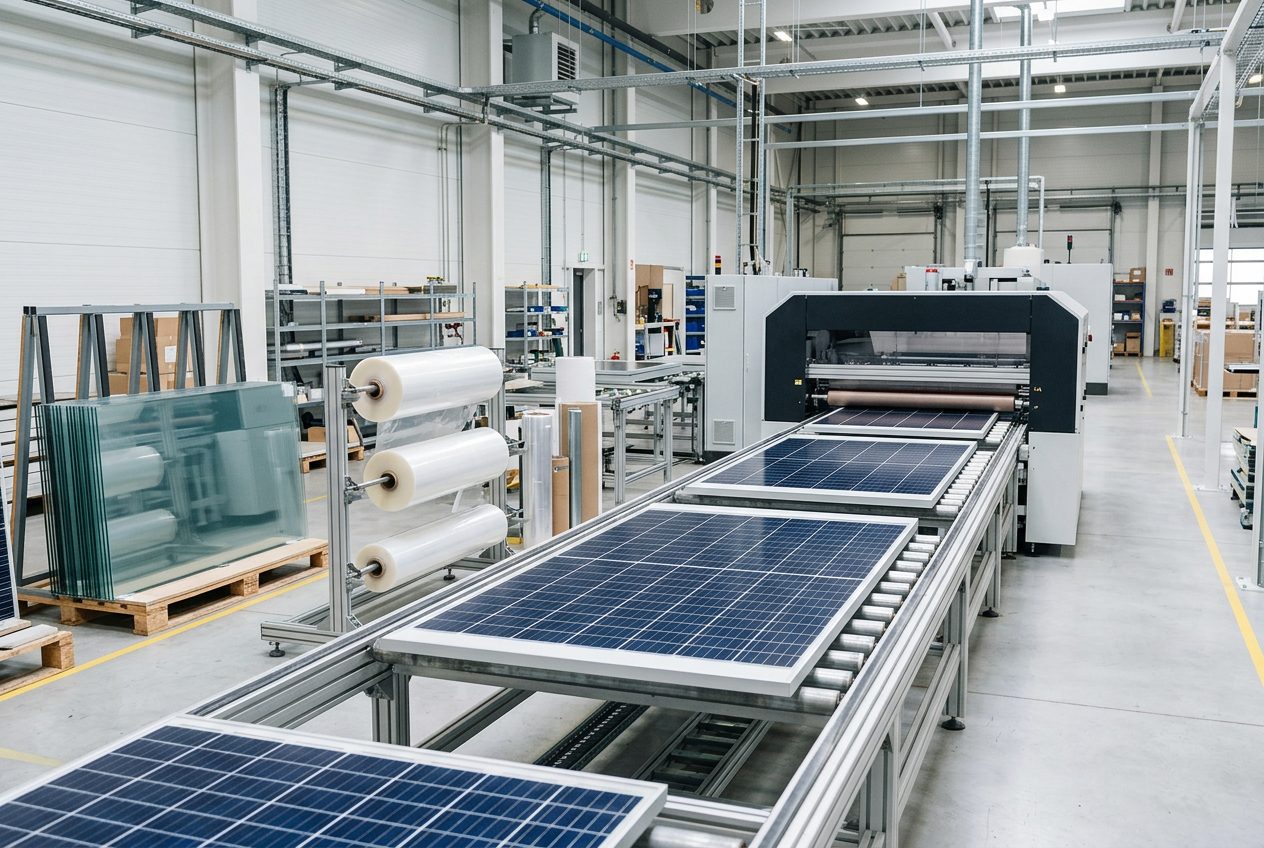
Trace field failure back to the factory
Field failure modes and progression rates are linked to bills of materials, supplier batches, lamination processes and factory test records. Combined with your accelerated ageing results, the data identifies unsuitable material combinations and batch-specific process deviations earlier, narrowing material trials and reducing rework and warranty cost.
- Same batches compared across environments; different batches within comparable environments
- Encapsulant, backsheet or rear glass, and edge seal combinations ranked by environmental suitability
- Lamination process windows (temperature, time, vacuum) flagged for controlled factory trials
- Targeted inspection of at-risk batches already in the field
Decisions supportedMaterial selection · lamination windows · batch QA · product configuration by region
Not sure which fits?
Most engagements start on an operating plant with cleaning and targeted repair decisions, then extend to design and manufacturing feedback.